Protecting Your Slab: Why Smart Landscape Planning Saves Your Round Rock Foundation
Most homeowners think about landscaping in terms of curb appeal. They picture fresh sod, colorful plants, clean beds, stone borders, walkways, and a backyard that feels more comfortable to use. Those details matter, but in Round Rock and across Central Texas, landscaping plays another important role that often gets overlooked: managing water around your home.
Your yard is not just decoration around the house. It is the first line of defense for how rainwater, irrigation, runoff, and soil moisture behave near your slab foundation. When water consistently pools in the wrong place, drains toward the home, or dries out unevenly, it can create stress around the structure over time.
Oak Grove Lawn and Landscape does not replace the work of a foundation repair company or structural engineer. But smart landscape planning can help reduce preventable water issues around your property. With the right grading, drainage, irrigation, plant selection, and maintenance, your yard can look better while also helping move water in a healthier direction.
Table of Contents
- Why Round Rock Foundations Need Smart Water Management
- The Problem With Water Pooling Near the Home
- Grading: The Shape of Your Yard Matters
- How Drainage Features Protect the Landscape and the Slab
- Irrigation Can Help or Hurt Your Foundation Area
- Choosing Plants That Belong Near the House
- Mulch, Beds, and Borders Need a Plan Too
- Lawn Health Also Plays a Role
- Common Landscaping Mistakes That Can Affect Water Around the Slab
- A Smarter Way to Plan Landscaping Around Your Round Rock Home
- FAQs About Landscaping and Foundation Protection in Round Rock
- Plan a Landscape That Works as Hard as It Looks
Why Round Rock Foundations Need Smart Water Management
Round Rock homeowners deal with a challenging mix of weather and soil conditions. Central Texas can swing from dry stretches to heavy rain, and many local yards have clay-heavy or rocky soil that does not always drain evenly. That means water management should be part of the landscape plan from the very beginning.
The issue is not simply “too much water” or “not enough water.” The bigger problem is inconsistency. If one side of the home stays soaked while another side dries out quickly, the soil around the slab can behave differently from one area to another. That uneven moisture pattern is exactly what homeowners want to avoid.
Poor drainage can also create obvious surface problems. You may notice standing water near the house, soggy lawn areas, washed-out mulch, exposed roots, soil erosion, or puddles that linger long after a storm. These are more than cosmetic issues. They are signs that water is not moving through the property the way it should.
A well-planned landscape should help guide water away from vulnerable areas, protect planting beds, reduce erosion, and make the yard easier to maintain through seasonal weather changes.
The Problem With Water Pooling Near the Home
One of the biggest landscaping mistakes homeowners make is allowing water to collect near the foundation. This can happen when the yard slopes toward the house, downspouts dump water too close to the slab, planting beds trap moisture against the structure, or irrigation heads overspray the same area every day.
At first, pooling water may not look like a major problem. It might seem like a few puddles after a storm or a damp strip of soil along the side of the house. But when that pattern repeats, it can keep the soil around the foundation too wet for too long.
Common warning signs of poor drainage around the home include:
- Water collecting near the slab after rain
- Mulch or soil washing out of beds
- Downspout water dumping directly at the foundation
- Soggy grass that stays wet for days
- Erosion channels forming along the side yard
- Low spots that repeatedly collect runoff
- Mosquito activity around standing water
This is where professional landscape drainage in Round Rock can make a major difference. Drainage solutions can help redirect excess water, reduce standing water, and improve how the yard handles heavy rainfall.
Grading: The Shape of Your Yard Matters
Grading is one of the most important parts of foundation-conscious landscaping. Even the best plants, sod, mulch, and hardscaping cannot solve a yard that consistently sends water in the wrong direction.
Proper grading helps move water away from the home and toward appropriate drainage areas. Poor grading does the opposite. It can push runoff toward the slab, trap water in side yards, or send water across walkways and beds where it causes erosion.
In Round Rock neighborhoods, grading issues can show up in a few common places. Side yards may be narrow and compacted, making it difficult for water to escape. Backyards may slope toward patios or doors. Newer homes may have builder-grade landscaping that looks clean at first but does not manage heavy rain well over time.
Smart grading does not always mean dramatically changing the entire yard. Sometimes it means reshaping low spots, adding drainage paths, adjusting beds, improving soil flow, or installing features that guide water more effectively. The goal is to make water movement intentional instead of letting storms decide where runoff goes.
How Drainage Features Protect the Landscape and the Slab
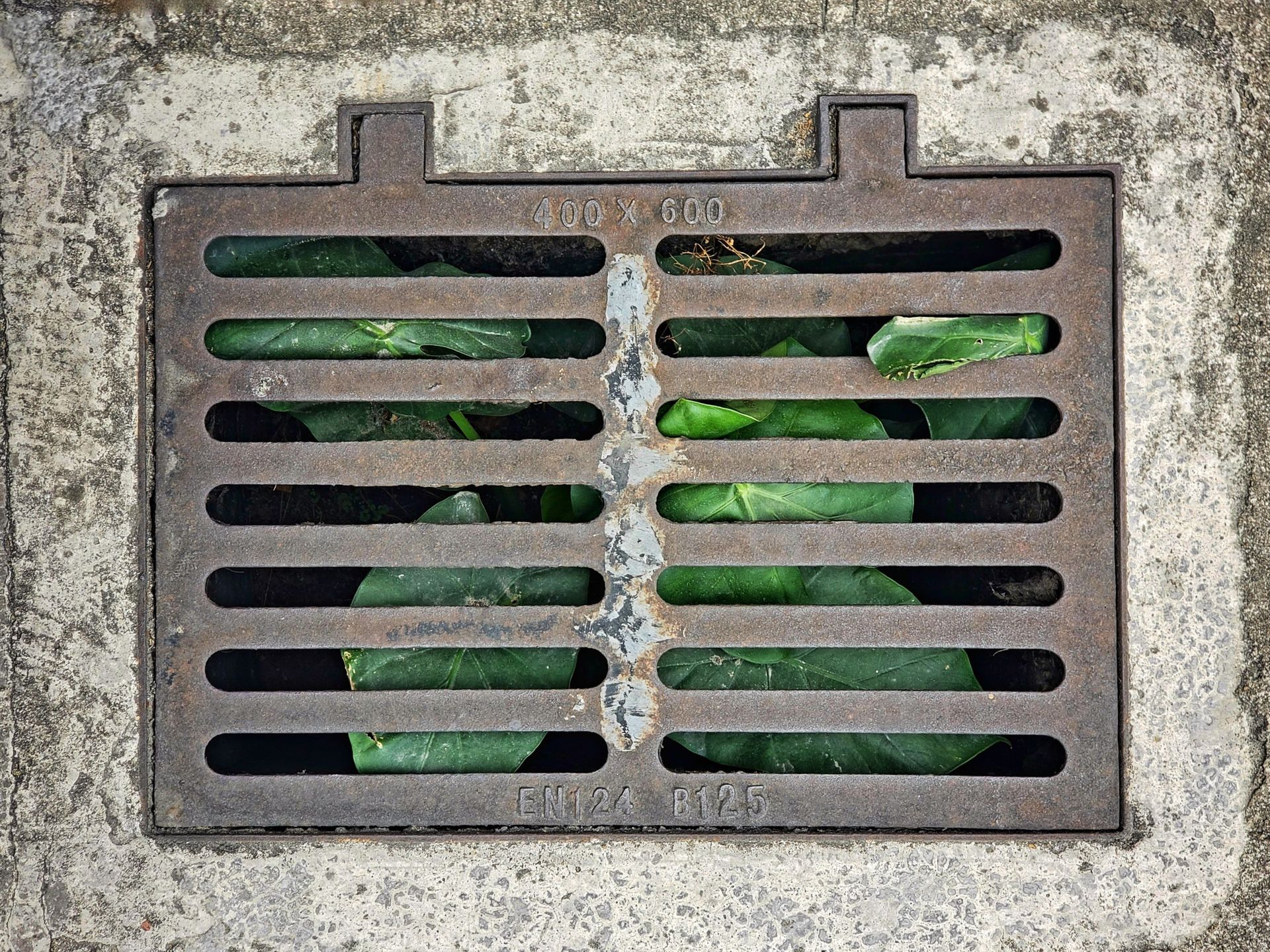
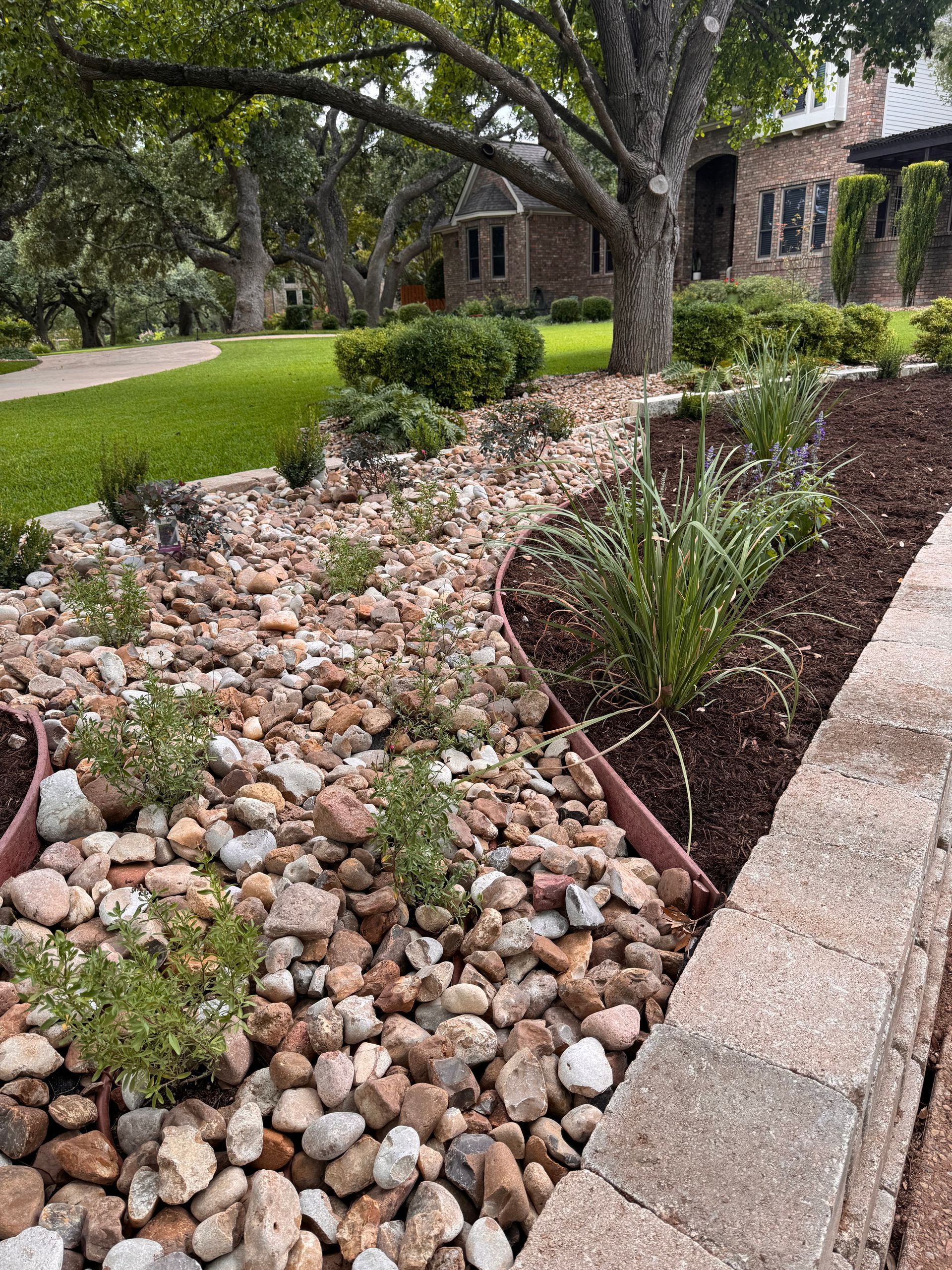
Drainage does not have to be ugly or obvious. In fact, some of the best drainage solutions can be built directly into the landscape design. French drains, catch basins, downspout extensions, dry creek beds, grading adjustments, and rock channels can all help manage water while still fitting the appearance of the yard.
For homes with repeated standing water, drainage features can help collect and redirect runoff before it becomes a bigger issue. For homes with erosion problems, they can slow water down and protect soil. For homes with planting beds near the structure, they can reduce the risk of moisture sitting in the wrong place.
A dry creek bed, for example, can look like a natural Hill Country landscape feature while also giving stormwater a cleaner route through the yard. Catch basins can collect surface water from low spots. French drains can help manage subsurface moisture in soggy areas. Downspout connections can move roof runoff away from the foundation instead of letting it dump near the slab.
These solutions are especially valuable when they are designed as part of a broader landscape design and installation plan. When drainage is planned alongside beds, plants, sod, stonework, and walkways, the finished yard can be both more attractive and more functional.
Irrigation Can Help or Hurt Your Foundation Area
Irrigation is another major part of foundation-conscious landscaping. A properly designed system can support healthy lawns and planting beds while reducing water waste. A poorly adjusted system can overwater certain areas, miss others entirely, or spray too much water near the home.
In Central Texas, homeowners often worry about keeping their lawns alive during dry weather. That makes sense, but more water is not always better. Overwatering can create soggy soil, runoff, shallow roots, fungus pressure, and unnecessary moisture near the foundation. Underwatering can also stress turf and plants, leaving bare soil exposed to cracking, erosion, and temperature extremes.
The goal is balance. Your irrigation system should water the landscape efficiently without constantly soaking the same spots near the slab. Sprinkler heads should be aimed properly, zones should match plant needs, and the system should account for sun exposure, slope, soil type, and drainage.
Oak Grove’s irrigation services can help homeowners improve water distribution across the property. Whether your system needs adjustment, repair, or a smarter layout, irrigation planning can support both lawn health and better water control around the home.

Choosing Plants That Belong Near the House
Plant placement matters more than many homeowners realize. The wrong plants in the wrong location can create maintenance problems, irrigation issues, root conflicts, and moisture imbalance near the foundation. The right plants can help create a cleaner, more stable, and easier-to-maintain landscape.
Large shrubs planted too close to the house can trap moisture, block airflow, and make it difficult to inspect the foundation edge. Plants with high water needs may require frequent irrigation right next to the slab. Poorly chosen trees can create long-term root and maintenance concerns if they are planted too close to structures, hardscaping, or utility areas.
A better approach is to choose plants based on mature size, water needs, root behavior, sun exposure, and distance from the house. Native and adapted plants can be especially helpful because they are better suited to Central Texas conditions and often require less intensive watering once established.
Oak Grove can incorporate native Central Texas plants into a landscape plan that supports curb appeal without creating unnecessary maintenance or water management issues near the home.
Mulch, Beds, and Borders Need a Plan Too
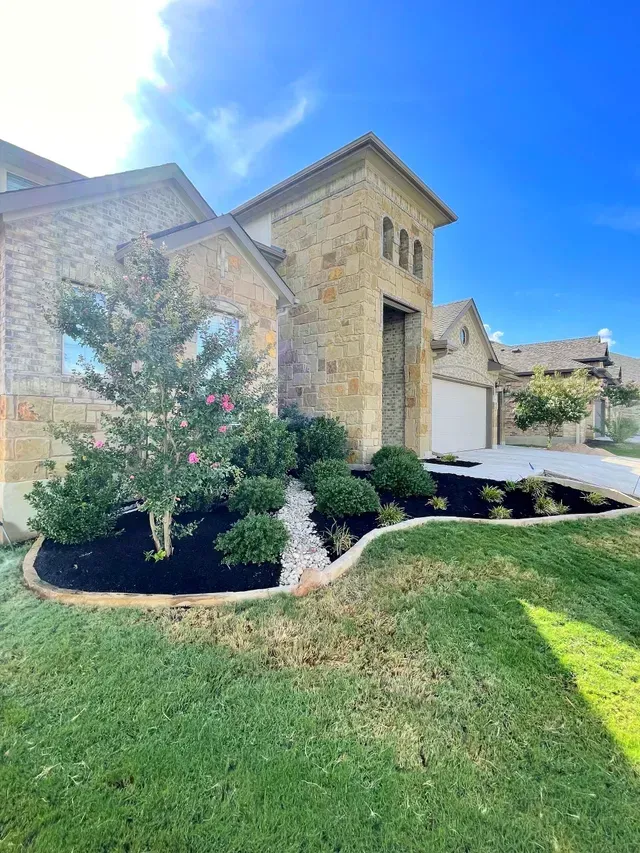
Mulch and garden beds can improve the look of a landscape, but they should be installed thoughtfully around the home. Too much mulch piled against the structure can hold moisture where you do not want it. Poorly edged beds can also trap runoff or push water toward the slab instead of letting it move away.
Well-designed beds should create visual structure while still allowing water to drain properly. Mulch should help regulate soil moisture and suppress weeds, not create a damp wall against the house. Stone borders, edging, and raised areas should be placed with water flow in mind.
This is where a clean landscape layout matters. Beds, borders, rock areas, and turf should work together instead of competing against each other. If every feature is installed without considering drainage, the yard may look good on day one but cause problems after the first heavy storm.
Smart landscape planning considers both appearance and performance. The goal is to create a finished yard that looks polished, manages water responsibly, and stays easier to maintain over time.
Lawn Health Also Plays a Role
Healthy grass can help stabilize soil, reduce erosion, and improve the overall function of the yard. Thin turf, bare patches, compacted soil, and uneven growth can all make it easier for water to run across the surface instead of soaking in evenly.
A struggling lawn can also expose soil to more direct sun and heavy rain impact. During dry periods, bare soil may crack. During storms, loose soil may wash away. Over time, these small issues can affect how water moves through the property.
Routine lawn care and maintenance can help support a healthier yard by keeping grass at the right height, reducing weeds, improving seasonal appearance, and maintaining a cleaner outdoor space. When lawn care is paired with proper drainage and irrigation, the entire landscape is better equipped to handle Central Texas conditions.
Common Landscaping Mistakes That Can Affect Water Around the Slab
Many water issues around the home are not caused by one dramatic failure. They often come from small landscaping decisions that build up over time.
Common mistakes include:
- Installing beds that slope toward the house
- Letting downspouts empty near the foundation
- Overwatering shrubs or turf near the slab
- Planting large shrubs too close to the structure
- Ignoring low spots that collect water after storms
- Adding hardscaping without planning drainage
- Allowing compacted soil to block water movement
- Letting erosion remove soil from around the home
These issues are often fixable, but they are easier to address before damage becomes visible. If your yard has drainage problems, soggy areas, washouts, or irrigation overspray near the house, it is worth having the property evaluated.
A Smarter Way to Plan Landscaping Around Your Round Rock Home
A foundation-conscious landscape does not have to look plain or overly technical. It can still include beautiful plants, stone features, fresh sod, walkways, lighting, and outdoor living areas. The difference is that each feature is planned with water movement in mind.
Before starting a major landscape upgrade, Oak Grove Lawn and Landscape looks at how the yard functions. Where does water collect? Where does it move too fast? Which areas stay dry? Where are the downspouts? What plants are near the home? How does the irrigation system perform? Is the yard sloped correctly?
By answering those questions first, we can create a design that supports both beauty and function. That might include drainage improvements, irrigation adjustments, better plant placement, reshaped beds, native plants, turf improvements, or hardscape features that work with the property instead of against it.
FAQs About Landscaping and Foundation Protection in Round Rock
Can landscaping really help protect a slab foundation?
Landscaping cannot replace structural foundation repair, but smart planning can help manage water around the home. Proper drainage, grading, irrigation, and plant placement can reduce preventable moisture problems near the slab.
What is the biggest landscaping issue near foundations?
Poor drainage is one of the biggest issues. When water pools near the home or repeatedly flows toward the slab, it can create moisture imbalance and long-term stress around the foundation area.
Should plants be placed directly against the house?
It is usually better to leave space between large plants and the home. This helps with airflow, maintenance, inspection access, and moisture management. Plant selection should consider mature size and water needs.
Can irrigation cause foundation problems?
An irrigation system that oversprays the foundation area or overwaters certain zones can contribute to poor moisture control. A properly designed and adjusted system helps water the landscape efficiently without soaking the same areas repeatedly.
Are French drains good for Round Rock yards?
French drains can be helpful for certain drainage problems, especially in soggy areas or places where subsurface water needs to be redirected. The right solution depends on your yard’s slope, soil, water source, and layout.
What should I do if water pools near my foundation after rain?
Have the yard evaluated before the issue becomes worse. Oak Grove can inspect how water moves across your property and recommend drainage, grading, or landscape changes designed to reduce standing water.
Plan a Landscape That Works as Hard as It Looks
A beautiful yard should do more than improve curb appeal. In Round Rock, smart landscaping should also help manage water, protect soil, support healthy plants, and reduce avoidable stress around the home.
If your yard has standing water, erosion, overwatering, poor grading, or planting beds that hold moisture near the slab, Oak Grove Lawn and Landscape can help. Our team can evaluate your property and recommend landscape drainage, irrigation, grading, and planting solutions designed for Central Texas conditions.
Contact Oak Grove Lawn and Landscape today to schedule a property evaluation and start planning a landscape that looks great while helping your home handle water more effectively.
You might also like